



Adu Kekuatan Meja Tenis Meja Anak-Anak: Ukuran Mana yang Terbaik untuk Anak-Anak?
Memilih meja tenis meja anak yang tepat bisa terasa sulit. Anda menginginkan sesuatu yang disukai anak-anak Anda, tetapi Anda juga perlu mempertimbangkan ruang, keamanan, dan kemudahan bermain. Meja mini untuk anak-anak seringkali lebih cocok di rumah Anda dan membuat belajar tenis meja menjadi menyenangkan dan aman. Meja mini membantu anak Anda membangun keterampilan sesuai dengan kecepatan mereka sendiri dan menjaga permainan tetap menyenangkan bagi semua orang.
Meja Tenis Meja Mini vs Ukuran Penuh
Perbedaan Utama
Saat Anda melihat meja pingpong mini dan meja ukuran penuh, hal pertama yang Anda perhatikan adalah ukurannya. Meja mini mudah muat di sebagian besar ruangan. Meja ukuran penuh membutuhkan lebih banyak ruang. Anda mungkin bertanya-tanya berapa banyak ruang yang sebenarnya Anda butuhkan. Lihat perbandingan singkat ini:
|
Jenis Tabel |
Panjang (kaki) |
Lebar (kaki) |
Tinggi (kaki) |
Ukuran Ruangan yang Direkomendasikan (kaki persegi) |
|---|---|---|---|---|
|
Meja Ukuran Penuh |
9 |
5 |
2.5 |
19 x 11 |
|
Meja Mini |
Tidak tersedia |
Tidak tersedia |
Tidak tersedia |
Cocok untuk ruang terbatas |
Meja tenis meja ukuran penuh memiliki panjang sembilan kaki dan lebar lima kaki. Anda membutuhkan ruangan minimal sembilan belas kali sebelas kaki untuk bermain dengan nyaman. Meja mini tidak memiliki aturan ukuran yang ketat. Anda dapat memasang meja kompak hampir di mana saja, bahkan di kamar tidur atau ruang tamu yang kecil.
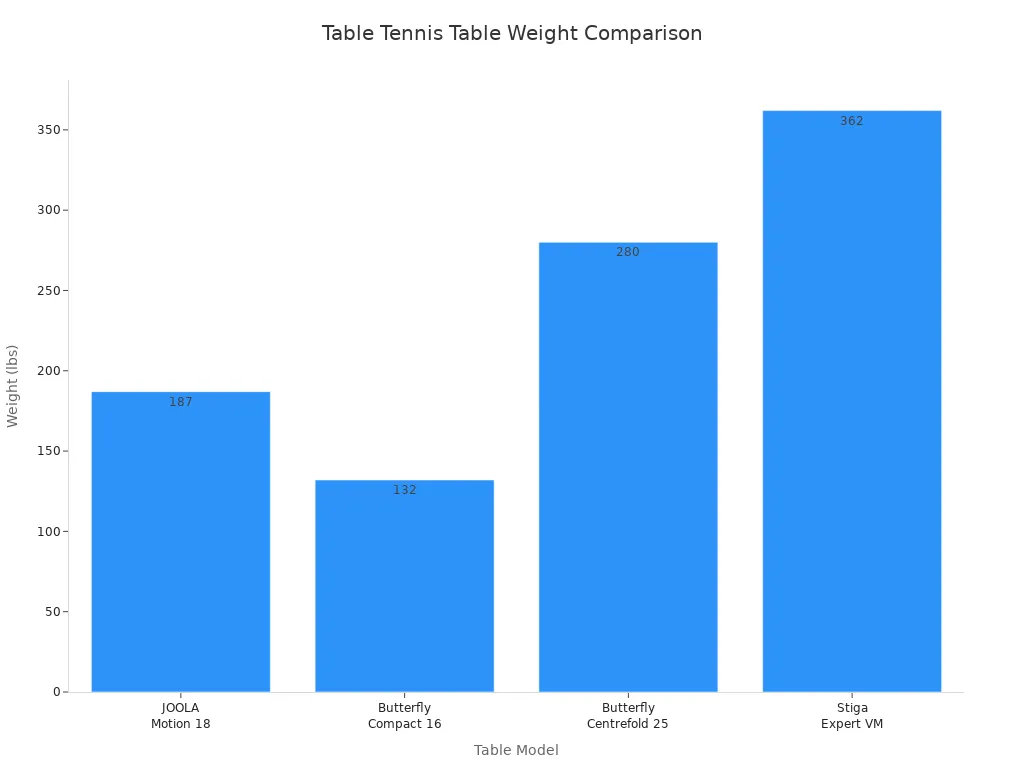
Meja mini juga jauh lebih ringan. Anda dapat memindahkan meja kompak tanpa bantuan. Meja ukuran penuh jauh lebih berat. Beberapa model mencapai lebih dari tiga ratus pon. Lihatlah perbandingan beratnya:
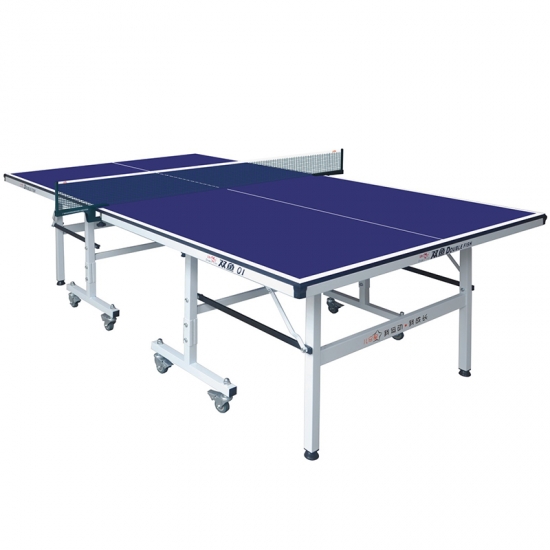
Meja mini seperti Double Fish dapat dilipat hingga seukuran koper. Anda dapat menyimpannya di bawah tempat tidur atau di dalam lemari. Meja ukuran penuh seringkali memiliki roda, tetapi tetap memakan banyak ruang. Model kompak seperti Double Fish lebih mudah disimpan, tetapi ukurannya tidak sekecil meja mini.
Tip : Jika Anda menginginkan meja tenis meja portabel untuk anak-anak Dengan roda yang sesuai dengan rumah Anda dan mudah dipindahkan, meja mini atau meja kompak adalah pilihan terbaik Anda.
Kelebihan dan Kekurangan
Anda ingin mengetahui meja mana yang paling cocok untuk keluarga Anda. Mari kita uraikan kelebihan dan kekurangan dari setiap pilihan.
Keunggulan Meja Mini:
-
Cocok untuk ruang kecil
-
Mudah dipindahkan dan disimpan
-
Sangat cocok untuk anak kecil dan pemula.
-
Membuat tenis meja menjadi menyenangkan dan mudah diakses.
-
Desain yang ringkas berarti Anda dapat bermain hampir di mana saja.
Kekurangan Meja Mini:
-
Ukurannya tidak sesuai standar, jadi keterampilan mungkin tidak dapat diterapkan sepenuhnya pada meja ukuran penuh.
-
Mungkin terasa sempit untuk anak yang lebih besar atau orang dewasa.
-
Beberapa meja pingpong mini kurang kokoh.
Kelebihan Meja Ukuran Penuh:
-
Sangat cocok untuk pengembangan keterampilan dan penggunaan jangka panjang.
-
Memungkinkan anak-anak berlatih dengan ukuran yang sama seperti para profesional.
-
Menawarkan ruang gerak yang lebih luas dan permainan tingkat lanjut.
-
Model ringkas seperti Double Fish memudahkan penyimpanan.
Kekurangan Meja Ukuran Penuh:
-
Membutuhkan ruangan besar untuk bermain dengan aman.
-
Besar dan berat, sulit dipindahkan.
-
Dapat memakan ruang berharga di rumah Anda
Berikut ringkasan poin-poin utamanya:
|
Keuntungan |
Kekurangan |
|---|---|
|
Aksesibilitas untuk pengembangan keterampilan |
Keterbatasan ruang untuk bermain di dalam ruangan |
|
Keterjangkauan harga meja ukuran penuh |
Desain besar yang membutuhkan ruang yang signifikan. |
|
Potensi keterlibatan jangka panjang |
Diperlukan latihan yang konsisten untuk mempertahankan minat. |
Jika anak Anda baru mulai bermain, meja mini atau meja kompak akan membuat pembelajaran menjadi mudah dan menyenangkan. Anda dapat memasang meja pingpong di hampir semua ruangan. Jika Anda memiliki anak yang lebih besar atau ingin membantu mereka meningkatkan keterampilan, meja ukuran penuh memberi mereka lebih banyak ruang untuk berkembang. Anda perlu mempertimbangkan ruang yang tersedia dan bagaimana keluarga Anda akan menggunakan meja tersebut.
Catatan Meja mini sangat cocok untuk permainan cepat dan kesenangan keluarga. Meja ukuran penuh paling tepat jika Anda ingin anak Anda serius bermain tenis meja.
Aspek Bermain untuk Anak-Anak
Kemudahan Bermain
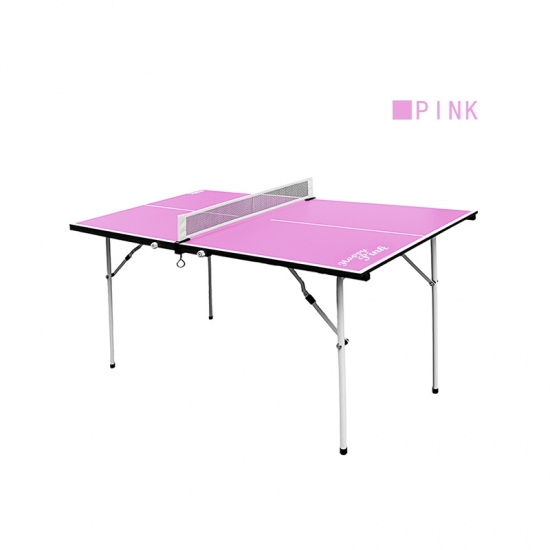
Anda ingin anak Anda merasa percaya diri saat memegang raket. Meja pingpong mini memudahkan hal ini. Ukurannya yang lebih kecil berarti anak Anda dapat menjangkau setiap bagian meja. Mereka tidak perlu meregangkan badan atau berlarian hanya untuk memukul bola. Ini membantu mereka mempelajari dasar-dasar tanpa merasa frustrasi. Anda dapat memasang meja pingpong mini di ruang tamu atau bahkan kamar tidur. Anak Anda dapat langsung mulai bermain.
Meja pingpong ukuran penuh memberikan lebih banyak ruang untuk bergerak. Anak-anak yang lebih besar mungkin akan menikmati tantangannya. Jika anak Anda ingin bermain seperti para profesional, meja pingpong ukuran penuh membantu mereka melatih keterampilan bermain yang sebenarnya. Anda membutuhkan lebih banyak ruang untuk meja-meja ini, jadi pastikan Anda memiliki cukup ruang sebelum membelinya.
Tip Jika anak Anda masih kecil atau baru mulai belajar, meja pingpong mini akan membuat proses belajar menjadi sederhana dan menyenangkan.
Kesenangan dan Keterlibatan
Anak-anak menyukai permainan yang terasa seru dan mudah dimainkan. Meja pingpong mini menghadirkan keseruan santai ke rumah Anda. Anda dapat memainkan pertandingan singkat dengan anak Anda setelah makan malam atau di akhir pekan. Meja yang lebih kecil membuat permainan tetap cepat dan seru. Anak Anda pasti ingin bermain lagi dan lagi.
Bermain pingpong bukan hanya tentang memukul bola. Ini juga tentang menghabiskan waktu bersama. Berikut beberapa cara meja pingpong dapat membantu mempererat ikatan keluarga Anda:
-
Anda dan anak Anda dapat tertawa dan bersorak selama pertandingan persahabatan.
-
Anggota keluarga dapat bergiliran bermain, sehingga semua orang merasa dilibatkan.
-
Tenis meja memberi Anda alasan untuk menyingkirkan layar dan menikmati percakapan yang nyata.
Meja pingpong mengubah rumah Anda menjadi tempat untuk bersenang-senang dan menjalin kebersamaan. Baik Anda memilih meja mini atau ukuran penuh, Anda memberi anak Anda kesempatan untuk mengembangkan keterampilan dan menciptakan kenangan bersama Anda.
Kebutuhan Keamanan dan Ruang
Keselamatan untuk Anak-Anak
Saat Anda membawa meja pingpong ke rumah, Anda tentu ingin memastikan anak Anda tetap aman. Sebagian besar guru—lebih dari setengahnya—mengatakan tenis meja adalah olahraga yang sangat aman untuk anak-anak di sekolah. Anda bisa merasa tenang membiarkan anak Anda bermain, baik Anda memilih meja mini maupun ukuran penuh. Namun demikian, Anda tetap harus memperhatikan konstruksi meja dan tempat Anda meletakkannya.
Bahan meja pingpong Anda sangat penting. Meja yang terbuat dari papan serat kepadatan menengah (MDF) memberikan pantulan yang halus dan permukaan yang stabil, yang membantu mencegah tergelincir atau goyah. Meja melamin dan komposit aluminium cocok digunakan di luar ruangan dan tetap kokoh dalam berbagai kondisi cuaca. Meja papan partikel harganya lebih murah, tetapi mungkin tidak tahan lama atau terasa stabil untuk anak-anak yang aktif.
Untuk menjaga keamanan meja Anda, ikuti beberapa langkah sederhana:
-
Bersihkan permukaan dengan kain lembut setelah setiap penggunaan.
-
Periksa kaki dan bagian lipatnya untuk memastikan tidak ada yang terasa longgar.
-
Simpan raket dan bola di tempat yang aman agar tidak hilang atau rusak.
Tip : Pemeriksaan singkat sebelum setiap permainan membantu mencegah kecelakaan dan menjaga meja pingpong Anda dalam kondisi prima.
Ruang untuk Meja Tenis Meja
Anda ingin anak Anda bermain bebas tanpa menabrak dinding atau furnitur. Ruang yang Anda butuhkan bergantung pada jenis meja pingpong yang Anda pilih. Berikut sekilas tentang ruang minimum yang dibutuhkan untuk bermain dengan aman:
|
Jenis Permainan |
Persyaratan Izin Minimum |
|---|---|
|
Para lajang |
5 kaki di setiap sisi |
|
Ganda |
7 kaki di setiap sisinya |
Untuk meja berukuran penuh, Anda membutuhkan ruangan sekitar 20 kaki kali 14 kaki. Itu memberi anak Anda ruang yang cukup untuk bergerak dan berayun dengan aman. Meja mini cocok untuk ruangan yang jauh lebih kecil, seperti kamar tidur atau ruang bermain. Anda bahkan dapat melipatnya dan menyimpannya saat tidak digunakan.
Jika Anda memiliki ruang terbatas, meja pingpong mini lebih mudah ditempatkan di rumah Anda. Selain itu, meja ini juga lebih aman untuk anak-anak yang lebih kecil, karena risiko terbentur sudut tajam atau tersandung kaki meja lebih kecil.
Catatan Selalu sisakan ruang yang cukup di sekitar meja Anda agar aman saat bergerak. Sedikit ruang ekstra berarti lebih banyak kesenangan dan lebih sedikit benturan!
Pengembangan Keterampilan di Meja Tenis Meja Anak-Anak
Dasar-dasar Pembelajaran
Saat anak Anda pertama kali mulai bermain di meja pingpong junior yang mudah dirakit Untuk di rumah, Anda ingin mereka merasa nyaman. Meja pingpong mini memudahkan anak-anak untuk menjangkau bola dan berlatih gerakan-gerakan sederhana. Anda dapat menunjukkan kepada anak Anda cara memegang raket, melakukan servis, dan mengembalikan bola tanpa merasa kewalahan dengan meja yang besar. Ukuran yang lebih kecil membantu anak Anda fokus pada hal-hal mendasar, seperti membidik dan mengatur waktu.
Studi pediatrik menunjukkan bahwa bermain tenis meja di meja tenis meja anak-anak, baik mini maupun ukuran penuh, dapat meningkatkan koordinasi mata-tangan anak Anda. Anak-anak yang bermain secara teratur meningkatkan persepsi visual dan kemampuan berpikir mereka. Anda mungkin akan melihat anak Anda bereaksi lebih cepat dan membuat pilihan yang lebih cerdas selama permainan. Keterampilan ini membantu dalam olahraga lain dan bahkan dalam pekerjaan sekolah.
Tip Mulailah dengan reli pendek dan servis sederhana. Rayakan setiap kemenangan kecil untuk menjaga agar anak Anda tetap bersemangat belajar.
Meningkatkan Keterampilan
Seiring kondisi anak Anda membaik, Anda dapat membantunya mencoba teknik-teknik baru. meja pingpong anak-anak tugas berat Untuk sekolah. Meja pingpong ukuran penuh memberi anak-anak yang lebih besar lebih banyak ruang untuk bergerak dan berlatih pukulan tingkat lanjut. Mereka dapat belajar memutar bola, memainkan reli yang lebih panjang, dan bahkan mencoba beberapa servis trik. Jika anak Anda bermimpi bermain di turnamen, berlatih di meja tenis meja ukuran penuh akan mempersiapkan mereka untuk pertandingan sesungguhnya.
Meja pingpong mini masih menawarkan banyak cara untuk menantang anak Anda. Anda dapat mengatur latihan yang menyenangkan, seperti membidik target atau menghitung berapa kali mereka dapat melakukan reli tanpa meleset. Permainan-permainan ini membuat latihan tetap menarik dan membantu anak Anda membangun kepercayaan diri.
Berikut tabel singkat yang menunjukkan bagaimana setiap jenis meja tenis meja anak mendukung pertumbuhan keterampilan:
|
Jenis Tabel |
Terbaik untuk |
Fokus Keterampilan |
|---|---|---|
|
Mini |
Pemula muda |
Dasar-dasar, akurasi |
|
Ukuran Penuh |
Anak-anak yang lebih besar, tingkat lanjut |
Kekuatan, pergerakan |
Apa pun jenis meja tenis meja anak yang Anda pilih, Anda memberi anak Anda kesempatan untuk berkembang. Meja pingpong yang tepat dapat mengubah latihan menjadi permainan dan membantu anak Anda mencapai potensi penuhnya.
Kesesuaian Usia untuk Meja Tenis Meja
Terbaik untuk Anak-Anak Kecil
Anda ingin anak-anak Anda bersenang-senang dan merasa percaya diri saat bermain. Meja pingpong mini paling cocok untuk anak-anak yang lebih kecil. Ukurannya yang lebih kecil memungkinkan mereka menjangkau bola dengan mudah. Mereka tidak perlu meregangkan tubuh atau bergerak terlalu jauh. Anda dapat memasang meja pingpong mini di ruang bermain atau bahkan kamar tidur. Anak-anak kecil sering merasa senang ketika melihat meja yang sesuai dengan tinggi badan mereka.
Berikut beberapa alasan mengapa meja mini cocok untuk anak-anak kecil:
-
Tinggi meja sesuai dengan ukuran tubuh mereka.
-
Mereka dapat berlatih keterampilan dasar tanpa merasa kewalahan.
-
Anda dapat memindahkan meja ke ruangan berbeda untuk pilihan bermain yang lebih banyak.
-
Permainan ini tetap aman karena mejanya tidak memakan banyak tempat.
Tips: Jika anak Anda berusia di bawah delapan tahun, meja pingpong mini dapat membantu mereka belajar lebih cepat dan lebih menikmati permainan.
Anda dapat menggunakan latihan sederhana untuk mengajari anak Anda cara melakukan servis dan pengembalian. Anak-anak kecil menyukai permainan yang terasa mudah dan cepat. Meja mini membuat permainan tetap dekat dan seru. Anda tidak membutuhkan ruangan besar. Anda dapat bermain bersama dan menyaksikan anak Anda berkembang setiap hari.
Cocok untuk Anak yang Lebih Besar
Anak-anak yang lebih besar menginginkan tantangan dan ruang gerak yang lebih luas. Meja pingpong ukuran penuh memberi mereka ruang untuk berlatih pukulan tingkat lanjut. Jika anak Anda lebih tinggi atau sudah pernah bermain sebelumnya, meja yang lebih besar membantu mereka mengembangkan keterampilan. Anda dapat memasang meja ukuran penuh di garasi atau ruang bawah tanah. Anak-anak yang lebih besar sering menikmati bermain reli yang lebih panjang dan mempelajari trik-trik baru.
Mari kita lihat bagaimana usia memengaruhi pilihan Anda:
|
Kelompok Usia |
Jenis Meja yang Direkomendasikan |
Fokus Keterampilan |
|---|---|---|
|
4-8 tahun |
Meja Mini |
Dasar-dasar, akurasi |
|
9-14 tahun |
Meja Ukuran Penuh |
Kekuatan, pergerakan |
Anak yang lebih besar dapat mencoba pukulan berputar dan bermain seperti profesional. Anda dapat mendorong mereka untuk bergabung dengan klub sekolah atau turnamen lokal. Meja pingpong ukuran penuh mempersiapkan mereka untuk pertandingan sesungguhnya. Anda mungkin akan melihat anak Anda menghabiskan lebih banyak waktu untuk berlatih dan mengajak teman-temannya bermain.
Catatan: Jika anak Anda ingin serius bermain tenis meja, meja ukuran penuh memberi mereka kesempatan terbaik untuk maju.
Anda dapat membantu anak Anda menetapkan tujuan dan melacak kemajuan. Anak-anak yang lebih besar menikmati kompetisi dan kerja tim. Meja yang lebih besar memungkinkan mereka mengeksplorasi keterampilan baru dan tetap aktif. Anda dapat menciptakan lingkungan yang menyenangkan di mana anak Anda merasa termotivasi untuk meningkatkan kemampuan.
Faktor-faktor Praktis bagi Keluarga
Portabilitas dan Penyimpanan
Anda menginginkan meja pingpong yang sesuai dengan rumah Anda. Meja portabel mudah dipindahkan. Anda dapat membawanya ke ruangan yang berbeda atau ke luar ruangan. Meja mini adalah yang paling mudah dipindahkan. Anda dapat memasang meja mini dalam sepuluh menit. Anda tidak memerlukan alat khusus apa pun. Meja ukuran penuh membutuhkan waktu lebih lama untuk dirakit. Terkadang, dibutuhkan waktu berjam-jam untuk merakitnya. Anda mungkin membutuhkan bantuan dan alat tambahan.
Berikut sekilas tentang perakitan dan portabilitasnya:
|
Aspek |
Meja Mini |
Meja Ukuran Penuh |
|---|---|---|
|
Waktu Perakitan |
10 menit |
Jam |
|
Kompleksitas |
Mudah |
Membutuhkan peralatan |
|
Portabilitas |
Tinggi |
Rendah |
Jika Anda tidak memiliki banyak ruang, meja portabel adalah pilihan yang cerdas. Anda dapat melipatnya dan meletakkannya di bawah tempat tidur atau di dalam lemari. Meja ukuran penuh membutuhkan lebih banyak ruang. Anda mungkin membutuhkan garasi atau ruang bawah tanah untuk menempatkannya. Meja luar ruangan lebih awet, tetapi berat. Anda dapat meninggalkannya di luar ruangan, tetapi Anda harus menutupinya.
Tips: Jika Anda menginginkan meja pingpong yang mudah dipindahkan dan disimpan, pilihlah yang portabel. Ini menghemat ruang dan menjaga rumah Anda tetap rapi.
Biaya dan Nilai
Anda ingin mendapatkan nilai terbaik untuk uang Anda. Meja mini biasanya harganya lebih murah daripada meja besar. Meja ukuran penuh harganya lebih mahal, terutama yang untuk luar ruangan. Meja luar ruangan lebih awet karena tahan terhadap cuaca. Meja dalam ruangan paling cocok untuk ruang bermain. Meja dalam ruangan tidak membutuhkan banyak perawatan jika disimpan di dalam ruangan.
Mari kita bandingkan daya tahan dan harganya:
|
Aspek |
Meja Dalam Ruangan (Ukuran Penuh) |
Meja Luar Ruangan (Mini atau Ukuran Penuh) |
|---|---|---|
|
Daya tahan |
Sensitif terhadap kelembapan |
Sangat tahan lama untuk penggunaan di luar ruangan. |
|
Pemeliharaan |
Rendah |
Perlu dibersihkan dan ditutup. |
|
Biaya |
Lebih murah |
Lebih mahal |
|
Kualitas Permainan |
Pantulan yang konsisten |
Sedikit kurang tepat |
Pertimbangkan seberapa sering keluarga Anda akan menggunakan meja tersebut. Jika Anda menginginkan meja yang awet, belilah meja yang kuat. Jika Anda menginginkan sesuatu yang murah dan mudah dipindahkan, meja mini adalah pilihan yang baik.
Catatan Pilihlah meja pingpong yang sesuai dengan ruang, anggaran, dan kebutuhan keluarga Anda. Dengan begitu, Anda akan lebih menikmatinya dan mendapatkan nilai yang lebih baik.
Anda ingin anak Anda menikmati bermain di meja pingpong yang sesuai dengan rumah dan usia mereka. Meja mini cocok untuk anak-anak yang lebih kecil dan ruangan yang sempit. Meja ukuran penuh membantu anak-anak yang lebih besar mengembangkan keterampilan mereka. Lihat tabel perbandingan berikut:
|
Faktor |
Meja Ping Pong Mini |
Meja Ping Pong Ukuran Penuh |
|---|---|---|
|
Ukuran |
Kompak |
Standar |
|
Daya tahan |
Berkualitas tinggi |
Kokoh |
|
Keamanan |
Sudut membulat |
Fitur standar |
Berikut beberapa tips untuk memilih meja pingpong yang tepat:
-
Pilih meja mini untuk anak-anak di bawah 10 tahun.
-
Pastikan Anda memiliki ruang yang cukup untuk perlengkapan tenis meja ukuran penuh.
-
Carilah bahan yang kuat dan fitur keselamatan.
-
Pilihlah meja yang memiliki roda jika Anda perlu memindahkannya.
Pertimbangkan usia anak Anda, ruang yang tersedia, dan tujuan Anda. Anda dapat menemukan meja pingpong yang menghadirkan kesenangan dan keterampilan bagi keluarga Anda.
Pertanyaan yang Sering Diajukan (FAQ)
Usia berapa yang paling ideal untuk meja pingpong mini?
Anda dapat mulai menggunakan meja mini untuk anak Anda sejak usia empat tahun. Anak-anak di bawah sepuluh tahun merasa meja mini lebih mudah digunakan. Ukuran yang lebih kecil membantu mereka mempelajari keterampilan dasar dan membuat permainan tetap menyenangkan.
Apakah meja mini bisa digunakan di luar ruangan?
Anda bisa menggunakan beberapa meja mini di luar ruangan. Carilah meja yang terbuat dari bahan tahan cuaca. Selalu tutupi meja saat tidak digunakan. Ini akan melindunginya dari hujan dan sinar matahari.
Seberapa banyak ruang yang Anda butuhkan untuk meja ukuran penuh?
Anda membutuhkan ruangan sekitar 20 kaki x 14 kaki untuk meja ukuran penuh. Ini memberi Anda ruang yang cukup untuk bergerak dan bermain dengan aman. Pastikan Anda memeriksa ukuran ruangan Anda sebelum membeli.
Apakah meja mini bermanfaat untuk pengembangan keterampilan?
Meja mini membantu anak Anda mempelajari keterampilan dasar seperti membidik dan mengatur waktu. Jika anak Anda ingin bermain secara kompetitif, Anda dapat beralih ke meja ukuran penuh nanti. Kedua jenis meja ini membantu membangun kepercayaan diri dan koordinasi.


 +86 13829778212